
Hair Transplant Consultation in Delhi: What Happens Before the Procedure?
Considering a hair transplant in Delhi but not sure what happens before the procedure?
A hair transplant consultation is more than simply checking how much hair you have lost. A proper consultation helps determine the cause and pattern of hair loss, assess the donor area, understand your goals, and decide whether hair transplantation is an appropriate option for you.
The consultation is also an opportunity to discuss realistic expectations, possible treatment approaches, and long-term hair restoration planning.
What Happens During a Hair Transplant Consultation?
During a hair transplant consultation, a doctor generally evaluates your hair loss history, scalp, donor hair, overall health, and expectations before recommending a treatment plan.
The exact assessment varies from person to person, but a consultation may include:
- Discussion of your hair loss history
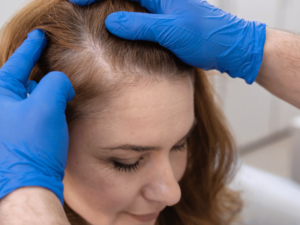
- Examination of the scalp
- Assessment of the donor area
- Evaluation of hair density and hair characteristics
- Review of medical and family history
- Assessment of the hair-loss pattern
- Discussion of treatment options
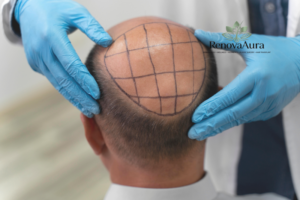
- Planning of the hairline and areas requiring coverage
- Discussion of realistic expectations and long-term planning
- Additional tests when clinically necessary
A detailed assessment is important because not everyone with hair loss is automatically a suitable candidate for hair transplantation.
Step 1: Understanding Your Hair Loss History
The consultation usually begins with questions about your hair loss.
Your doctor may want to understand:
- When you first noticed hair loss
- Whether hair loss is gradual or sudden
- Which areas are thinning
- Whether you have a receding hairline
- Whether the crown is thinning
- Whether you have experienced excessive shedding
- Previous hair-loss treatments
- Any previous hair transplant procedures
- Family history of hair loss
This information helps the doctor understand the pattern and possible cause of your hair loss.
Family history can also be relevant when assessing how hair loss may progress over time and how donor hair should be planned.
Step 2: Diagnosing the Cause of Hair Loss
One of the most important parts of a hair transplant consultation is determining why you are losing hair.
Pattern hair loss is a common reason people consider transplantation, but other conditions can also cause thinning or hair loss.
Depending on your symptoms, the doctor may consider conditions such as:
- Male pattern hair loss
- Female pattern hair loss
- Telogen effluvium
- Alopecia areata
- Traction alopecia
- Scarring alopecia
- Other scalp or hair disorders
A hair transplant is not necessarily the first treatment for every type of hair loss. If an underlying condition is suspected, further evaluation or medical treatment may be recommended before considering surgery.
Step 3: Examining Your Scalp
Your scalp needs to be assessed before deciding whether hair transplantation is appropriate.
The doctor may examine:
- Areas of thinning
- Hair density
- Hair calibre
- Scalp condition
- Miniaturisation of hair follicles
- Areas of scarring
- Pattern and extent of hair loss
- Condition of the donor area
In some cases, trichoscopy may be used to examine the scalp and hair follicles more closely. It can help assess the donor area and identify conditions that may resemble pattern hair loss.
Step 4: Assessing the Donor Area
The donor area is one of the most important factors in hair transplant planning.
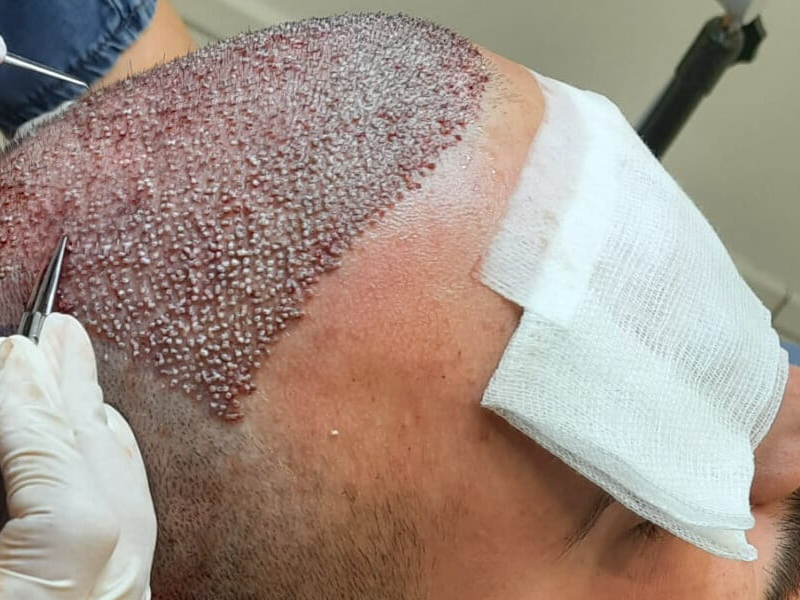
Hair follicles are generally taken from a suitable hair-bearing area and transplanted into areas affected by hair loss. The available donor supply is limited, so it needs to be assessed carefully rather than assuming that more grafts can always be taken.
Your doctor may evaluate:
- Donor hair density
- Hair calibre
- Distribution of hair
- Scalp characteristics
- Signs of miniaturisation
- Existing scarring
- The potential long-term stability of the donor area
Careful donor-area assessment is important for both patient selection and surgical planning.
Step 5: Assessing Whether You Are a Good Candidate
Not everyone with hair loss is an ideal candidate for a hair transplant.
Suitability may depend on factors such as:
- Cause of hair loss
- Stability and progression of hair loss
- Donor hair availability
- Density and quality of donor hair
- Size of the area requiring coverage
- Scalp condition
- Previous hair transplant procedures
- Overall health
- Treatment expectations
The doctor also needs to consider whether the available donor hair can reasonably support the desired restoration plan.
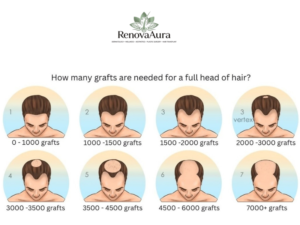
A consultation should therefore focus on suitability and realistic planning, rather than simply deciding how many grafts can be transplanted.
Step 6: Discussing Your Hairline and Desired Appearance
Your expectations are an important part of the consultation.
You may want to discuss:
- Hairline position
- Hairline shape
- Frontal hairline density
- Temple areas
- Crown coverage
- Overall appearance you want to achieve
A good hair restoration plan needs to consider both your current hair loss and the possibility of future progression.
Trying to create an excessively low or dense hairline without considering the available donor supply may not be appropriate for every patient.
Step 7: Discussing Hair Transplant Techniques
Once your hair loss and donor area have been assessed, the doctor can discuss the appropriate surgical approach.
Depending on the individual case, this may include techniques such as:
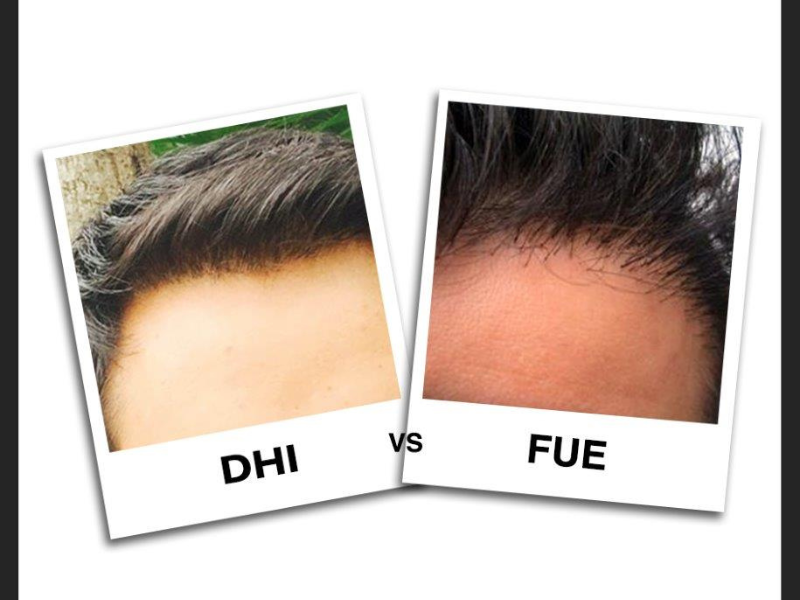
- FUE-based hair transplantation
- FUT/strip harvesting in selected cases
- Different methods of graft placement
The important point is that the technique should be selected according to the patient’s characteristics and treatment goals rather than choosing a procedure simply because it is currently popular.
FUE and other harvesting approaches have different considerations, and proper patient selection and surgical planning remain important.
Step 8: Discussing Non-Surgical Treatment Options
A hair transplant is not always the only option.
Depending on the diagnosis, your doctor may discuss medical or non-surgical approaches to manage hair loss.
These may be considered:
- Before a transplant
- Alongside a transplant
- After a transplant
- Instead of surgery when transplantation is not appropriate
The right approach depends on the cause of hair loss, the individual’s health, treatment goals, and clinical assessment.
This is why diagnosing the cause of hair loss before deciding on surgery is so important.
Are Tests Needed Before a Hair Transplant?
Not every patient needs extensive testing.
However, additional investigations may be recommended when the diagnosis is unclear or when the medical history or examination suggests an underlying condition.
Depending on the situation, a doctor may consider:
- Blood tests
- Scalp examination
- Trichoscopy
- Other diagnostic investigations
- Occasionally, a scalp biopsy when clinically indicated
The purpose is to make the diagnosis more accurate and ensure that transplantation is being considered appropriately.
What Should You Bring to Your Hair Transplant Consultation?
You can make your consultation more useful by preparing some information beforehand.
Consider bringing:
- Details of when your hair loss started
- Information about previous hair-loss treatments
- Details of previous procedures
- A list of current medications or supplements
- Relevant medical history
- Family history of hair loss
- Questions about the procedure and recovery
If possible, old photographs can also help show how your hair loss has changed over time.
Questions to Ask During a Hair Transplant Consultation
Before deciding on surgery, consider asking:
1. What is causing my hair loss?
Understanding the diagnosis should come before choosing a treatment.
2. Am I a suitable candidate for a hair transplant?
Ask what factors make you suitable or unsuitable for surgery.
3. How strong is my donor area?
The available donor supply plays an important role in long-term planning.
4. Which areas should be prioritised?
Depending on the pattern of hair loss, the frontal region, mid-scalp or crown may require different planning.
5. Which hair transplant technique is appropriate for me?
Ask why a particular technique is being recommended for your individual case.
6. Could my hair loss continue after transplantation?
Hair transplantation redistributes existing follicles, so understanding future hair-loss progression is important.
7. What should I realistically expect?
Your doctor should explain what can reasonably be achieved based on your current hair loss and available donor hair.
Why Is Long-Term Planning Important?
Hair loss can continue to progress over time.
A hair transplant should therefore not be planned only around the hair loss you can see today.
The doctor may need to consider:
- Your age
- Current pattern of hair loss
- Family history
- Donor hair availability
- Potential future progression
- Areas that may require future attention
Long-term planning is an important part of hair restoration because donor hair is a limited resource.
Can You Have a Hair Transplant Without a Consultation?
A proper medical assessment should come before deciding on hair transplant surgery.
Online photographs or messages may provide an initial indication, but they cannot replace an in-person clinical evaluation when detailed diagnosis and surgical planning are required.
A consultation allows the doctor to examine the scalp and donor area, understand your medical and hair-loss history, and determine whether transplantation is appropriate.
What Happens After the Consultation?
After the assessment, the next step depends on your individual situation.
You may be advised to:
- Begin or continue medical treatment for hair loss
- Monitor hair loss progression
- Complete additional investigations
- Consider hair transplantation
- Consider a combination of surgical and non-surgical approaches
- Return for further assessment before making a decision
The goal should be to create a treatment plan based on your diagnosis, donor availability, expectations, and long-term needs.
Choosing a Hair Transplant Clinic in Delhi
If you are searching for a hair transplant consultation in Delhi, don’t evaluate a clinic only by the procedure name or promotional claims.
Consider whether the consultation includes:
- Proper assessment of the cause of hair loss
- Examination of the donor area
- Discussion of medical history
- Realistic treatment planning
- Explanation of suitable options
- Clear discussion of risks and limitations
- Long-term hair restoration planning
- Consultation with an appropriately trained and licensed physician
The ISHRS specifically recommends that patients understand who will evaluate their hair loss, who will perform the surgery, and their relevant training, licensing and experience.
Hair Transplant Consultation at RenovaAura, New Delhi
At RenovaAura, New Delhi, a hair transplant consultation is an opportunity to understand your hair loss and discuss whether hair restoration is appropriate for your individual case.
Dr. Bhawna Bhardwaj, Senior Consultant Dermatologist & Hair Transplant Surgeon, can assess the pattern and extent of hair loss, examine the scalp and donor area, and discuss suitable treatment options based on the clinical assessment.
The objective is to develop a realistic and individualised approach rather than recommending the same treatment for every patient.
Frequently Asked Questions
What happens at a hair transplant consultation?
A consultation generally includes discussion of your hair-loss history, scalp examination, donor-area assessment, diagnosis, discussion of treatment options and realistic expectations.
How do I know if I am suitable for a hair transplant?
Suitability depends on factors including the cause and pattern of hair loss, donor hair availability, scalp condition, overall health and treatment expectations.
Does the doctor check the donor area?
Yes. Donor-area assessment is an important part of hair transplant planning because the available donor supply is limited.
Will I need tests before a hair transplant?
Not everyone needs additional tests. They may be recommended when the cause of hair loss is unclear or when your medical history or examination suggests further evaluation is necessary.
Can women have a hair transplant?
Yes, selected women with certain patterns of hair loss may be candidates. However, the cause and pattern of female hair loss need to be assessed before considering transplantation.
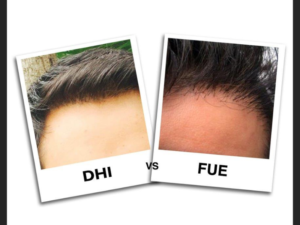
Can I choose FUE or DHI during my consultation?
Your doctor can explain the available approaches and which may be appropriate for your case. The decision should be based on your diagnosis, donor characteristics and treatment goals rather than the procedure name alone.
How should I prepare for a hair transplant consultation?
Prepare information about your hair-loss history, previous treatments, medications, medical history and family history. You can also make a list of questions you want to discuss.
Is a hair transplant always necessary for hair loss?
No. Depending on the cause of hair loss, medical or non-surgical treatment may be appropriate instead of or before surgery.
Final Takeaway
A hair transplant consultation in Delhi should be about much more than deciding whether you want a procedure.
It is the stage where your hair-loss cause, scalp, donor area, suitability, expectations and long-term restoration plan are assessed.
If you are considering hair transplantation, a proper medical consultation can help you understand whether surgery is appropriate for you and what approach may best suit your individual situation.
Thinking about a hair transplant? Schedule a consultation at RenovaAura, New Delhi, to discuss your hair loss and explore your treatment options with a qualified hair specialist.
https://www.renovaaura.com/doctors/bhawna-bhardwaj